Moisture Wicking Shirts and Clothing: Benefits, Fabrics, and Best Gear to Stay Dry
Introduction
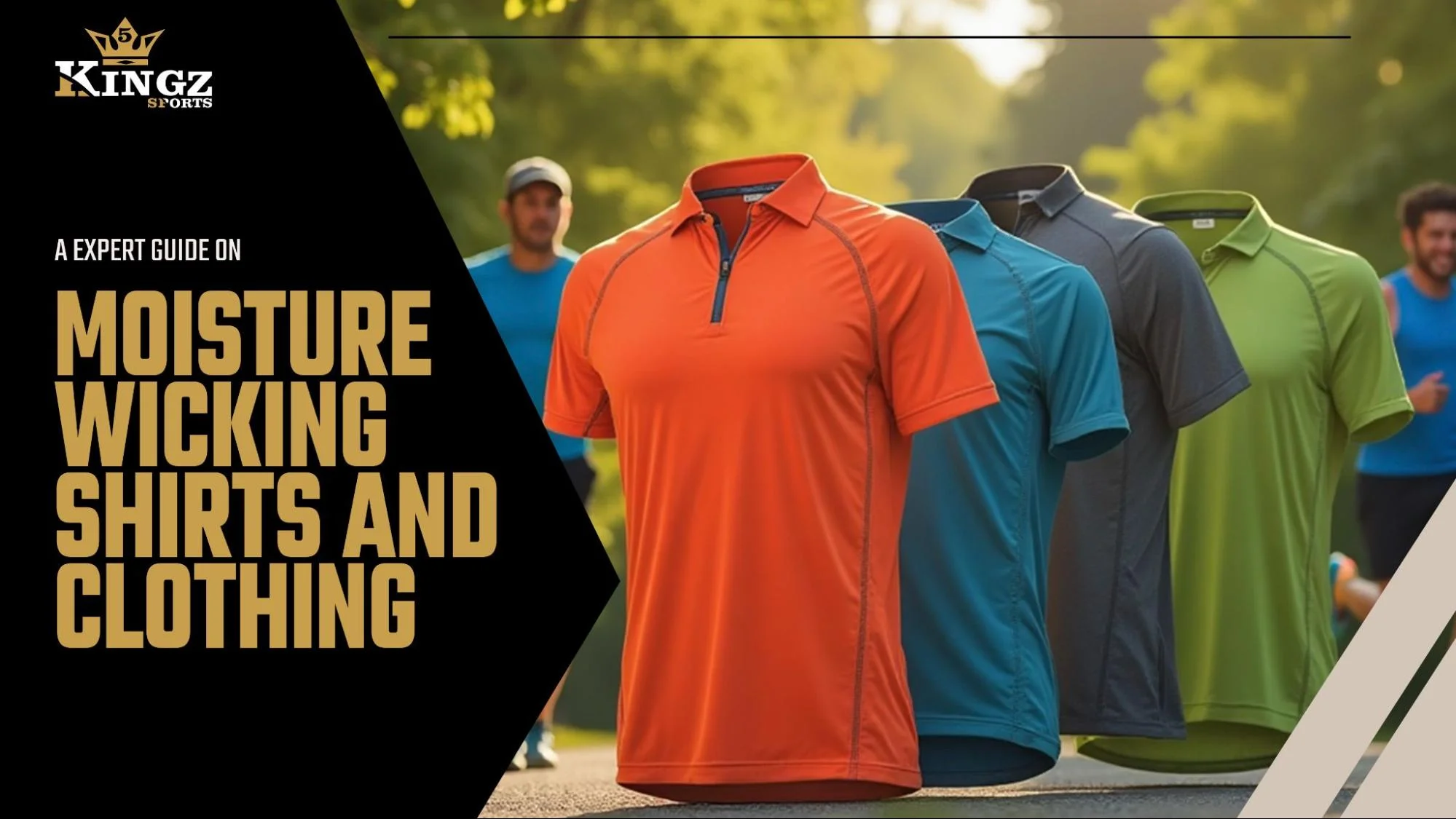
Whether you’re hitting the gym, going for a run, hiking the trails, or simply navigating a scorching summer day, moisture wicking shirts and clothing is a total game-changer. These high-performance garments are designed to pull sweat away from your skin and help it evaporate quickly, keeping you dry, cool, and focused—no matter how intense the activity gets. From moisture wicking shirts and dry-wick pants to sweat-wicking sports bras and tank tops, today’s moisture wicking fabrics offer smart solutions for active lifestyles.
Unlike traditional fabrics like cotton that absorb sweat and stay damp, moisture-wicking materials such as polyester and nylon are made to dry fast and enhance breathability. Whether you’re layering up for a winter jog or looking for cool, breathable summer wear, moisture-wicking gear adapts to your needs and performs under pressure.
What Does Moisture-Wicking Mean?
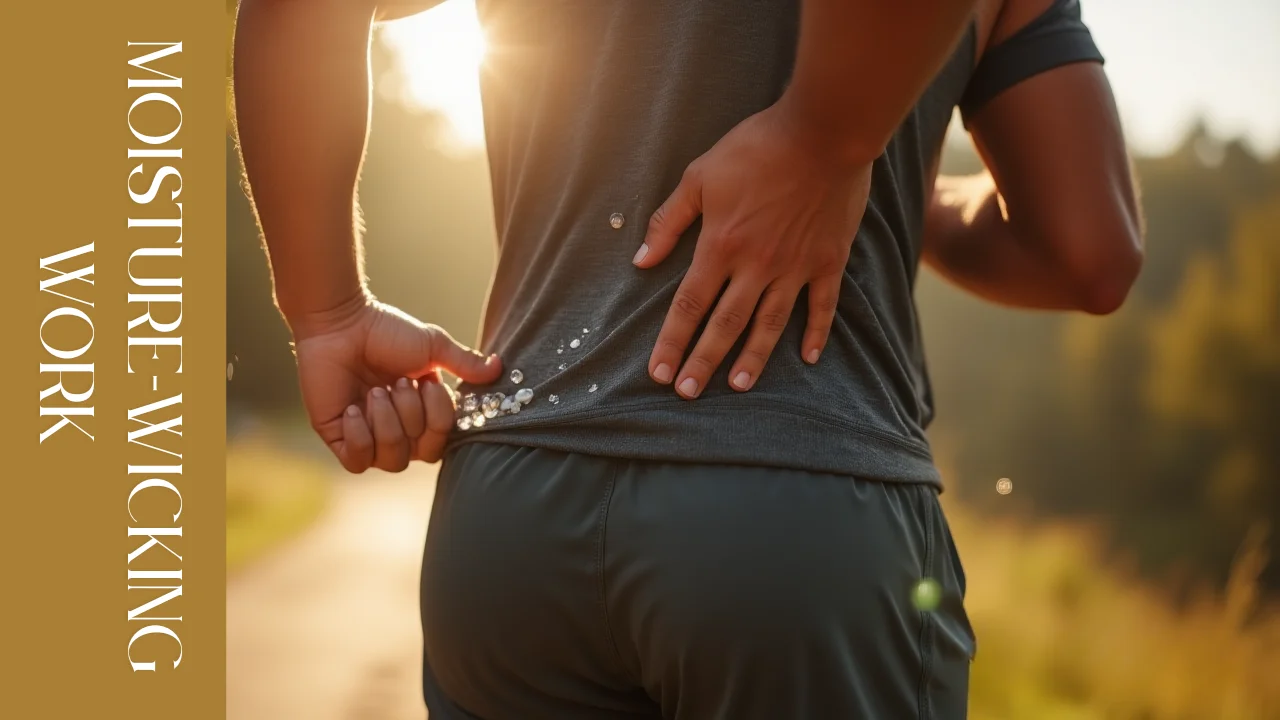
A fabric’s capacity to quickly evaporate sweat away from your skin and onto the outside surface of the material is known as moisture-wicking. Unlike traditional materials like cotton, which absorb and retain moisture, moisture-wicking clothing helps you stay dry and comfortable.
How It Works:
- Pulls moisture away from the skin: The fabric draws sweat off the surface of your body, preventing that sticky, wet feeling.
- Spreads moisture across the outer fabric layer: Sweat is dispersed over a wider area, allowing it to dry faster than it would in a soaked patch.
- Speeds up evaporation: The moisture quickly evaporates, helping regulate your body temperature and keeping you cool.
Whether you’re wearing moisture wicking shirts, dry-wick shirts, or sweat-wicking tank tops, this technology ensures your clothing works with your body—not against it.
Key Benefits:
- Keeps you dry during workouts or hot weather
- Prevents chafing and skin irritation
- Helps reduce odor buildup by minimizing trapped sweat
- Enhances comfort and performance
Whether you’re wearing moisture-wicking t-shirts, dry-wick shirts, or sweat-wicking tank tops, this technology ensures your clothing works with your body—not against it.
How Does Moisture-Wicking Work?
Moisture-wicking fabrics are engineered to keep you dry, cool, and comfortable during physical activity. Here’s how they work:
Mechanisms:
- Capillary Action: Channels moisture away from your skin, pulling sweat through tiny fibers that move it to the surface of the fabric.
- Quick-Drying Fibers: Accelerate evaporation by allowing sweat to dry quickly, reducing moisture retention and keeping you cool.
- Breathability: Enhances airflow, promoting cooling by allowing air to circulate around your skin and fabric.
Most wicking fabrics are made from synthetic fibers like polyester, nylon, or spandex. These materials are lightweight, durable, and breathable, making them ideal for sweat management. High-performance options may include mesh zones or advanced sweat wicking technologies for even greater moisture control and comfort, making them perfect for extreme workouts, outdoor adventures, or hot weather conditions.
Benefits of Moisture Wicking Shirts
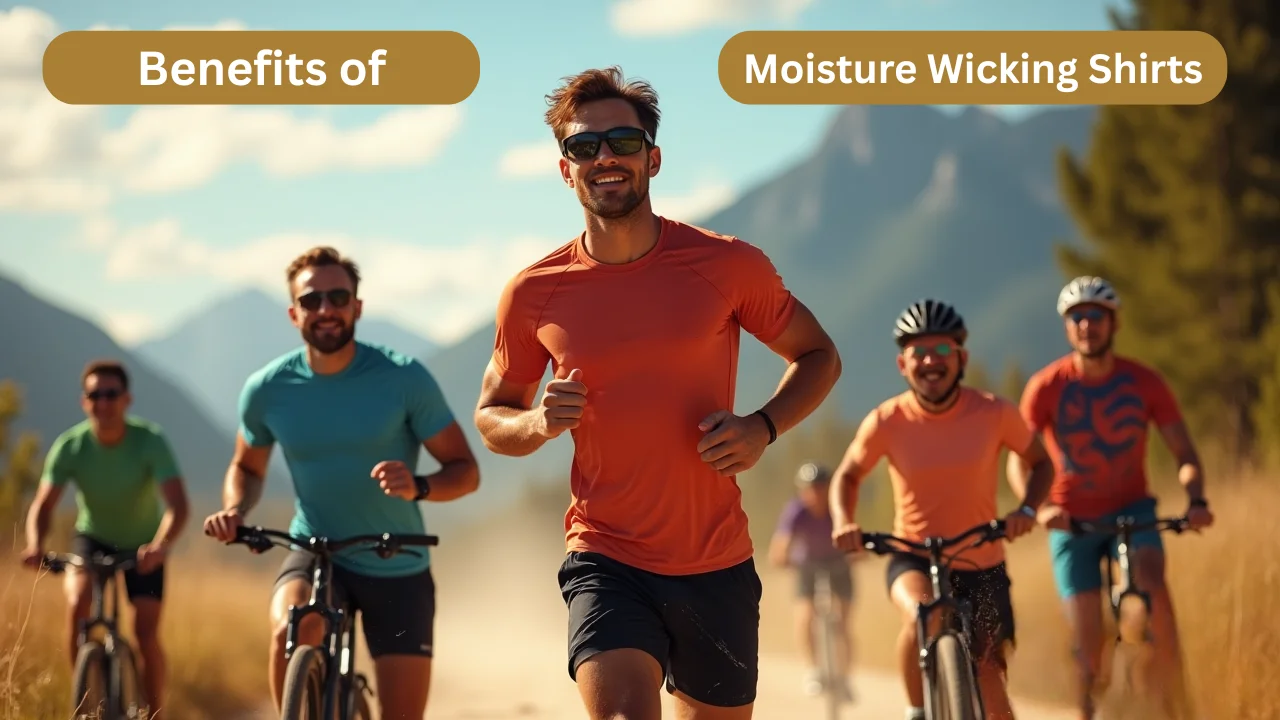
Moisture-wicking apparel provides numerous advantages that make it essential for various physical activities. Here’s a breakdown of the key benefits:
- Stay Dry and Comfortable
Keeps your skin dry by moving moisture away from your body. This reduces stickiness and discomfort, allowing you to stay comfortable, even during intense workouts or on hot days. - Prevent Chafing and Rashes
Reduces skin friction, especially in sensitive areas such as the underarms, thighs, and groin. This helps prevent painful chafing and rashes, allowing you to stay active without discomfort. - Improve Athletic Performance
Moisture-wicking fabrics are lightweight and quick-drying, enhancing breathability and freedom of movement. By keeping you dry and cool, it supports better performance and focus during exercise, whether you’re running, cycling, or lifting weights. - Fight Odor and Bacteria
The quick-drying nature of moisture-wicking materials reduces bacterial growth which can lead to unpleasant odors. This helps keep you fresh, boosting your confidence and comfort during and after physical activity.
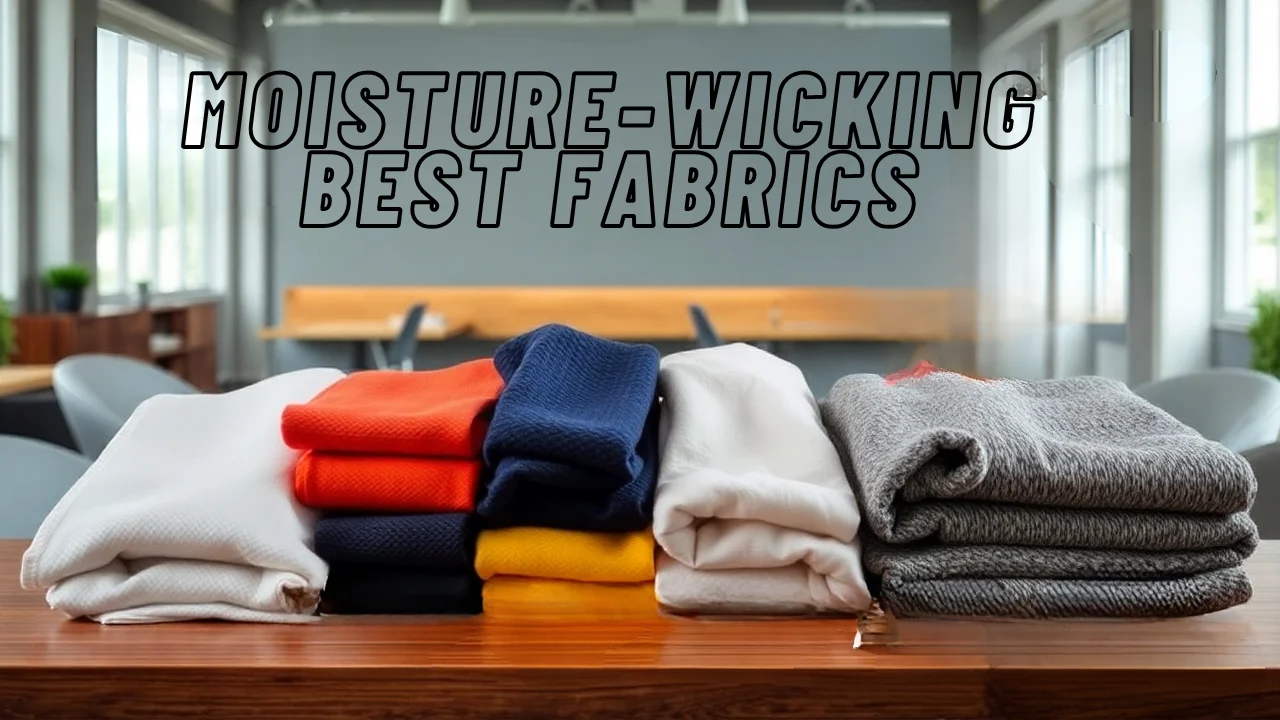
Best Moisture-Wicking Fabrics
Fabric | Moisture-Wicking Ability | Best Use |
Polyester | Excellent | Shirts, polos, running gear |
Nylon | Very Good | Compression wear, leggings |
Spandex | Good (blended) | Stretch gear, bras, base layers |
Merino Wool | Great for cold weather | Winter base layers |
Cotton (avoid) | Poor | Only for low-sweat activities |
Popular Types of Moisture Wicking Clothing
Moisture wicking Shirts & Tees
- Moisture-Wicking Polos: A perfect choice for a casual yet athletic look, moisture-wicking polos are great for sports, golfing, or just staying comfortable in warm weather.
- Dry Wick T-Shirts: These classic t-shirts are ideal for everyday activities, workouts, or running. The fabric helps to keep sweat away, making them a go-to option for any physical exertion.
- Long Sleeve Shirts: These shirts provide the added benefit of sun protection while still keeping you dry and comfortable through the moisture-wicking fabric.
Gear up with 5 Kingz Sports. Sweat less. Move more. Shop T-Shirts today.
- Moisture Wicking Shorts & Pants
- Dry Wick Trousers: These lightweight, breathable pants are ideal for outdoor activities like hiking or running, providing full mobility without the discomfort of wet clothes.
- Moisture-Wicking Leggings: A great choice for yoga, running, or any low-impact workout, moisture-wicking leggings offer breathability and quick-drying features that prevent sweat from sticking to your skin.
- Shorts for Hot Weather: Lightweight and breathable shorts made from moisture-wicking fabric keep you cool during intense heat and physical activities.
- Keeps your feet dry by moving moisture away from the skin, preventing blisters and providing a comfortable experience during runs, walks, or other physical activities. Moisture-wicking socks are especially important for athletes, hikers, or anyone on their feet for extended periods.
- Moisture wicking Accessories
- Moisture-Wicking Headbands: These headbands absorb sweat from your forehead, preventing it from dripping into your eyes, ensuring you stay focused and dry during physical activities.
- Hats and Sweatbands: Hats made with moisture-wicking fabric protect your head from sweat and sun exposure, while sweatbands prevent sweat from affecting your grip during workouts.
- Moisture-wicking Women’s Gear
- Tank Tops: Ideal for warm weather workouts or outdoor activities, moisture-wicking tank tops offer excellent breathability and comfort.
- Sports Bras: A supportive and moisture-wicking option for women, sports bras help you stay dry and comfortable during vigorous exercise, reducing chafing and sweat build-up.
- Moisture-Wicking Pants for Women: From leggings to trousers, these pants are designed with performance in mind, keeping you cool and dry without restricting movement.
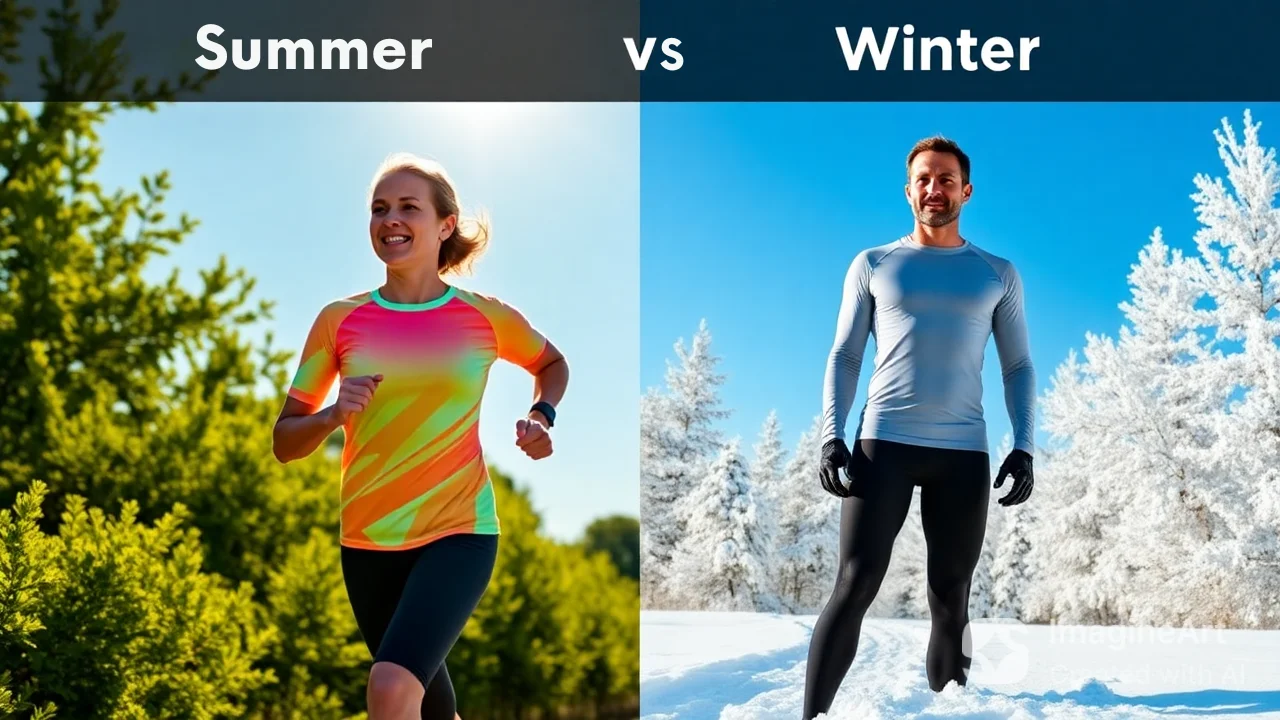
Summer vs. Winter Moisture-Wicking Gear
Moisture-wicking clothing adapts to the season, providing comfort and performance year-round. Here’s how moisture-wicking gear differs between summer and winter:
Summer moisture-wicking clothes
- Lightweight Moisture-Wicking Tees: Moisture-wicking shirts or dry-wick t-shirts that are lightweight and breathable help keep you cool and dry during intense heat.
- Moisture-Wicking Tank Tops: These provide maximum airflow and sweat control, making them ideal for hot, sunny days when you’re working out or just enjoying the outdoors.
- Moisture-Wicking Shorts: Dry-wick trousers or moisture-wicking shorts help prevent sweat from clinging to your skin, especially during outdoor activities in high temperatures.
- Breathable Fabrics: Fabrics like moisture-wicking polyester and nylon draw sweat away while letting air circulate, helping you stay cool and avoid overheating.
Winter moisture-wicking clothes
- Moisture-Wicking Base Layers: These are key for staying warm and dry. They help regulate your body temperature by pulling sweat away from your skin under other layers.
- Thermal Gear: Thermal moisture-wicking clothing offers warmth while ensuring sweat evaporates quickly, so you don’t get cold from trapped moisture.
- Avoid Cotton: Cotton holds onto moisture and can cause discomfort in the cold. Instead, go for moisture-wicking fabrics like merino wool or synthetic blends that keep you both dry and insulated.
By picking the right moisture-wicking gear for the season, you’ll stay dry, comfortable, and focused—whether it’s hot and sunny or cold and crisp outside.
How to Layer Moisture-Wicking Clothing
Layering moisture-wicking clothing is key to staying dry, comfortable, and prepared for varying weather conditions. Proper layering allows you to regulate your body temperature and stay protected while engaging in physical activities. Here’s a breakdown of how to layer your gear effectively:
1. Base Layer
The base layer is the foundation of your moisture-wicking clothing. Its main function is to wick moisture away from your skin, keeping you dry and comfortable.
- Moisture Wicking Shirts: Choose moisture wicking shirts or sweat-wicking undershirts made from synthetic materials like polyester or nylon. These fabrics pull moisture from your skin, allowing it to evaporate faster.
- Undershirts: A fitted moisture-wicking undershirt is perfect for preventing sweat buildup under your outer layers, ensuring you stay dry throughout your activity.
2. Mid Layer
The mid layer serves as insulation and helps trap warmth without making you feel too bulky. It should allow moisture to escape while providing extra protection against the elements.
- Breathable Insulation: Consider wearing breathable options like fleece, or even performance hoodies made with moisture-wicking materials. These fabrics help regulate body temperature while maintaining breathability, keeping you warm without trapping too much heat or moisture.
3. Outer Layer
The outer layer is designed to protect you from the elements such as rain, snow, or wind. It should be weatherproof while allowing moisture to escape.
- Weatherproof Shell or Windbreaker: A windbreaker or water-resistant outer shell made from breathable, moisture-wicking fabrics helps protect you from harsh conditions while still allowing sweat to evaporate. Look for jackets or vests designed for moisture-wicking workout clothes to ensure maximum performance.
By layering correctly with moisture-wicking fabrics for each layer, you can stay comfortable, dry, and well-prepared for your physical activity in any weather. This approach not only helps with temperature regulation but also enhances overall performance.
How to Wash Moisture-Wicking Clothes
To ensure your moisture-wicking clothing stays in top condition and continues to perform effectively, it’s important to follow the right care instructions. Here’s how to wash and care for your moisture-wicking shirts, leggings, and other activewear:
1. Use Cold Water
Cold water is gentler on moisture-wicking fabrics. Washing in hot water can damage the fibers, causing them to lose their ability to wick moisture effectively. Cold water also helps prevent shrinkage and color fading.
2. Avoid Fabric Softeners
Fabric softeners coat the fibers of the fabric, which can clog the pores of moisture-wicking materials. This reduces their ability to pull moisture away from your skin. For best results, wash moisture-wicking clothing without fabric softeners.
3. Air Dry or Tumble Dry on Low
Air drying is the gentlest method for drying moisture-wicking shirts and other activewear. If you prefer using a dryer, set it to a low heat setting to avoid damaging the fabric. High heat can break down the fibers and diminish the fabric’s ability to wick moisture.
4. Avoid High Heat or Ironing
High heat can damage the synthetic fibers in moisture-wicking pants and shirts. Additionally, ironing is not recommended, as it can flatten the fibers and reduce their effectiveness. Stick to low heat for drying and avoid ironing altogether.
By following these simple steps, you’ll help maintain the performance and longevity of your moisture-wicking clothing, keeping it in top shape for all your workouts and activities.
How to Wash Moisture-Wicking Clothes
To ensure your moisture-wicking clothing stays in top condition and continues to perform effectively, it’s important to follow the right care instructions. Here’s how to wash and care for your moisture wicking shirts, leggings, and other activewear:
1. Use Cold Water
- Cold water is gentler on moisture-wicking fabrics. Washing in hot water can damage the fibers, causing them to lose their ability to wick moisture effectively. Cold water also helps prevent shrinkage and color fading.
2. Avoid Fabric Softeners
- Fabric softeners coat the fibers of the fabric, which can clog the pores of moisture-wicking materials. This reduces their ability to pull moisture away from your skin. For best results, wash moisture-wicking clothing without fabric softeners.
3. Air Dry or Tumble Dry on Low
- Air drying is the gentlest method for drying moisture wicking shirts and other activewear. If you prefer using a dryer, set it to a low heat setting to avoid damaging the fabric. High heat can break down the fibers and diminish the fabric’s ability to wick moisture.
4. Avoid High Heat or Ironing
- High heat can damage the synthetic fibers in moisture-wicking pants and shirts. Additionally, ironing is not recommended, as it can flatten the fibers and reduce their effectiveness. Stick to low heat for drying and avoid ironing altogether.
By following these simple steps, you’ll help maintain the performance and longevity of your moisture-wicking clothing, keeping it in top shape for all your workouts and activities.